Africa Multiple Interactive Research Atlas (AMIRA)
Cluster Chronicles
Description
Description
enThe Africa Multiple Cluster Chronicles bring literary and artistic perspectives into the life of the Cluster: invited writers and artists spend a residency in Bayreuth, take part in its discussions and activities, and respond to them in essays, poems, photographs and other forms. A public engagement initiative of the Africa Multiple Cluster of Excellence, curated by Ute Fendler.
Kabaji presents the outcomes of his residency as Cluster Chronicler, linking Kakamega and Bayreuth through the Narrative Transformation Model. The talk considers how creative writing can generate knowledge, drawing on the Cluster's concepts of multiplicity, relationality and reflexivity and on the Re.membering research section. It is an open presentation for members of the University community.
Kabaji introduces the Narrative Transformation Model, which describes how a creative writer turns observation, experience, research and reflection into narrative. He presents his Bayreuth residency as a literary encounter between Kakamega and Bayreuth, planned as a set of chronicles with a documentary. The text sets out the project's central claim that places are storehouses of stories, memories and beliefs.
A prose reflection on drawing at night as a form that goes beyond what language can hold. It sets drawing against writing, which the text describes as a violent inner confrontation, and ends with a morning run in Bayreuth.
A very short fragment-like text in French with an English rendering, built from a few verse-like phrases on the shores of the self, beings and worlds, and dance.
In his final chronicle, Kabaji examines the language and identity debate in African literature, reviewing the positions of Obi Wali, Ngugi wa Thiong'o and Chinua Achebe on the choice of language. He argues for an inclusive multilingualism and draws on Thabo Mbeki's African Renaissance speech. He proposes Critical Reconstructionism as a practice-based paradigm for African literary production and interpretation.
A French poem on walking through many cities, countries and faces over the years, printed with an English translation by Saffiyah Chady Edoo. It treats time, beauty and endurance.
Kabaji recalls reading Brecht's The Caucasian Chalk Circle as an A-level set text at Chavakali High School and rereads it from Bayreuth. He examines its disputes over ownership, justice and care, especially the judge Azdak and the chalk-circle trial. The chronicle presents the encounter as a link between his schooling in Kenya and his present scholarly life.
Kabaji argues that Kenyan obituaries are often formulaic and that a good obituary is a literary account of a life requiring research, structure and honesty. He notes that he has written his own obituary, and connects obituary writing to the preservation of collective memory. The chronicle links this craft to the Cluster's work on African life stories.
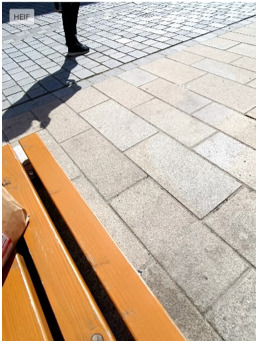
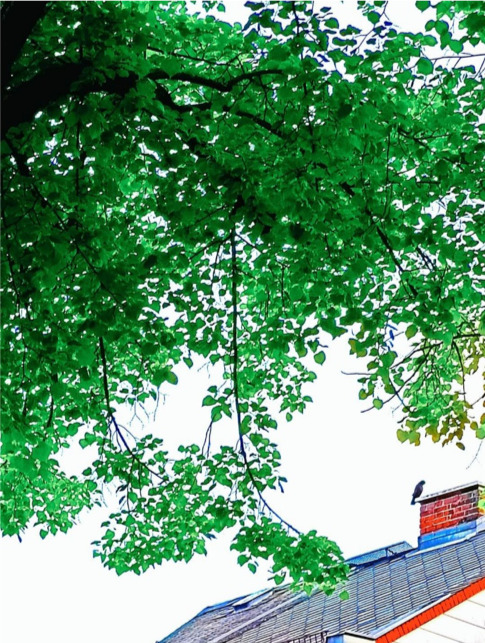
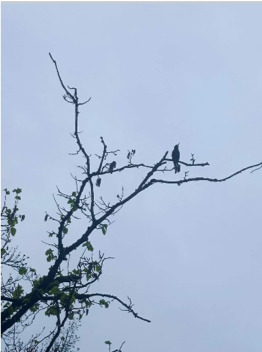
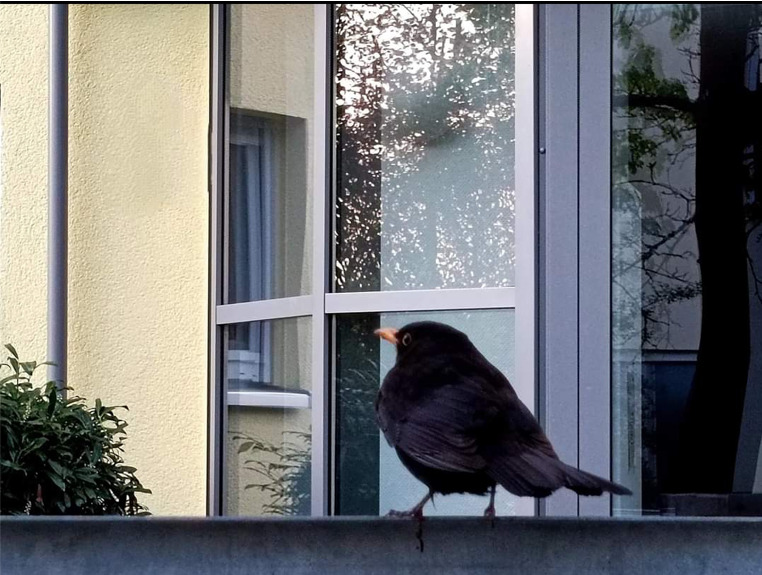
A prose piece on the shadows of ancient lives and the sense of petrification in stone-built civilisations. It closes with an addressed passage about blackbirds that have shifted to singing at night in the city.
Kabaji describes a documentary he is preparing with Gilbert Ndi Shang on the musician Papa Wemba and the history of Congolese rhumba. He argues that music, dance and performance produce knowledge and worlds that travel across borders. The chronicle also reflects on how societies remember artists with their contradictions.
Kabaji presents a poem in the voice of an African child visiting Bayreuth, preceded by a prose account of how it was produced under the Narrative Transformation Model. The poem contrasts Kenyan markets, roads, food and sunlight with German quiet, cleanliness, museum guides and traffic. It ends by celebrating human difference.